

Key Takeaways
- Inspect your log cabin before winter for damaged seals, worn finishes, moisture problems, and other maintenance concerns.
- Protect exposed pipes, clean gutters, and service your heating system before freezing temperatures arrive.
- Check existing chinking and caulking for cracks or gaps that could allow cold air and moisture inside.
- Clean and inspect exterior logs regularly, and repair damaged finishes as needed to help protect the wood.
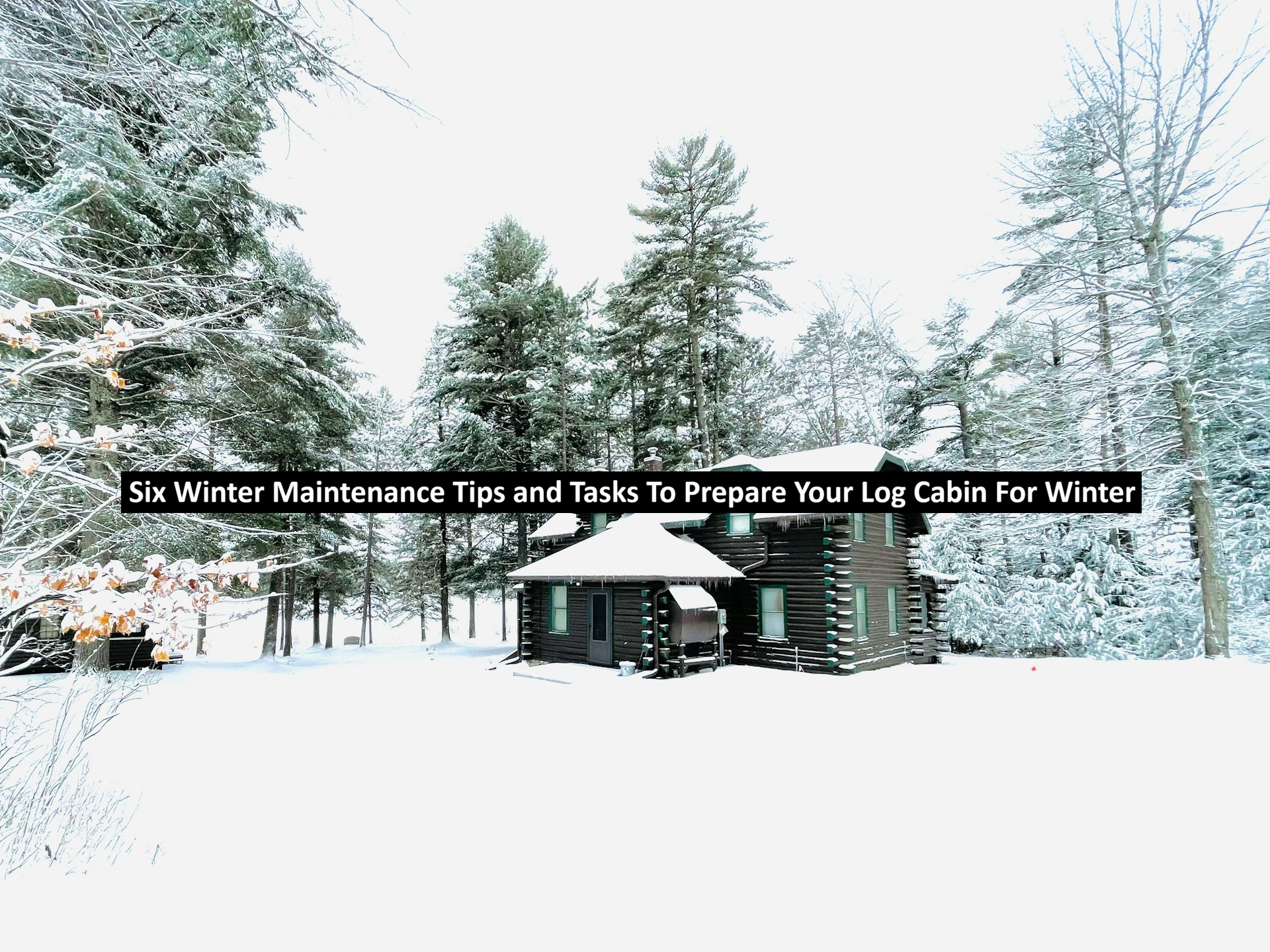
Your cabin is your castle, a way to escape the world in a way that feels truly connected to the nature in which it sits. Whether your cabin is buried deep in the woods or sits beneath trees in a neighborhood, its rustic nature wraps you in a hug each time you walk through the door.
Before the cold, cutting months set in, protect and care for your cabin so it can take care of you. Use these six winter maintenance tips and tasks to prepare your log cabin for the coming winter.
Have A Plan
Preparing your cabin for winter can feel overwhelming, with the litany of things to consider and take care of before it gets cold. But it doesn’t have to be.
The most important thing you can do to get your home ready is simply to have a plan. If you know what is required to prepare the cabin each year, you can schedule when tasks need to be done and avoid last-minute surprises.
It’s also important to have an emergency plan. For example, if a pipe bursts, do you know where the water shutoff is? If your central heat goes out, do you have logs ready for a wood-burning stove?
An annual plan can reduce anxiety about winterizing a cabin and ensure you’re ready for anything unplanned that might arise.
Read: What Frequent Travelers Look for in a Handbag That Occasional Travelers Often Overlook
Prepare Your Pipes
Your home’s pipes are its lifeblood. Without water, you can’t cook, take a shower, or even have a glass of water. When water freezes inside plumbing, the resulting expansion can create pressure that causes pipes to burst.
Keeping your pipes warm to prevent this is paramount. You can achieve this in a couple of different ways.
Oftentimes, periodically running water through the pipes keeps them from freezing. If you’re living in the cabin and using water throughout the day, let it drip overnight. If you’re not staying there during the winter season, turn off the water supply before leaving.
The best long-term option, though, is to insulate the pipes. You can do this by stuffing extra insulation between your pipes and the walls, or by wrapping them in foam sleeves.
Clean the Gutters and Prepare the Roof
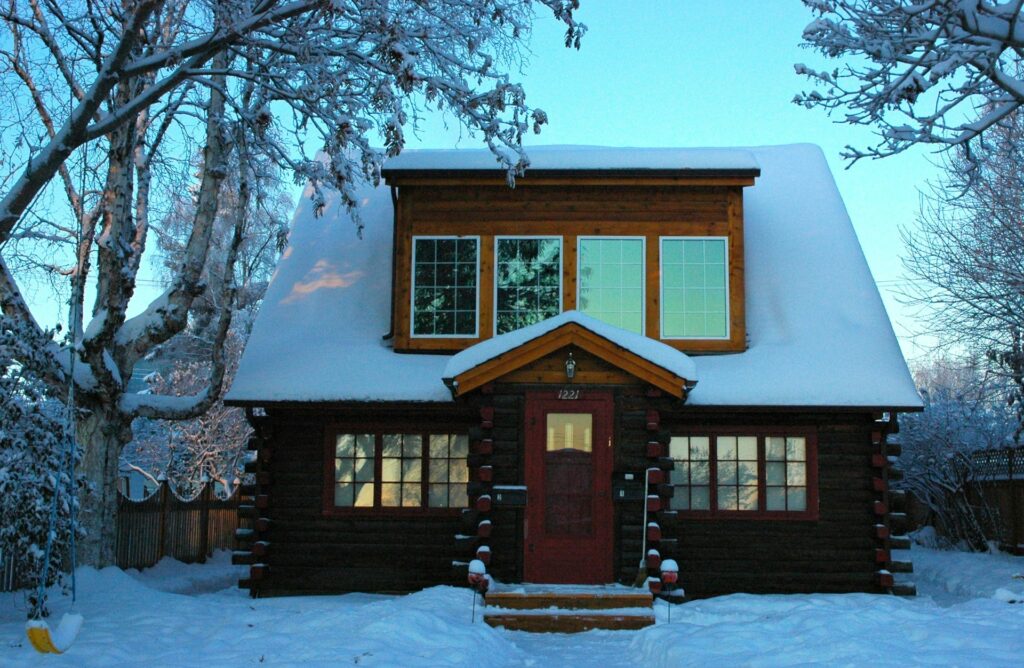
One of the first places ice forms when temperatures drop below freezing is along the roofline. If your gutters are full of gunk and leaves, the water will back up and freeze, as well.
That weight on your gutters, combined with ice on the roofline, can create a dangerous situation. Clean gutters and downspouts before winter to help water drain away from the roof and foundation.
You can also run heat tape along the roofline to help prevent icicles from forming.
Clean Your Heating System
Before winter, inspect your cabin’s heating system to make sure it’s working properly. The maintenance required depends on whether you use a fireplace, wood stove, or central heating system.
- Fireplaces and wood stoves: Schedule a professional chimney inspection and cleaning to remove soot, creosote, debris, and potential blockages before lighting your first fire.
- Central heating systems: Replace air filters as recommended, test the thermostat, and schedule professional maintenance to identify potential problems.
- Backup generators: Check that your generator is operational and that you have an appropriate fuel supply. Store fuel in approved containers away from living spaces, and never operate a generator indoors or near windows, doors, or vents.
Address Any Gaps
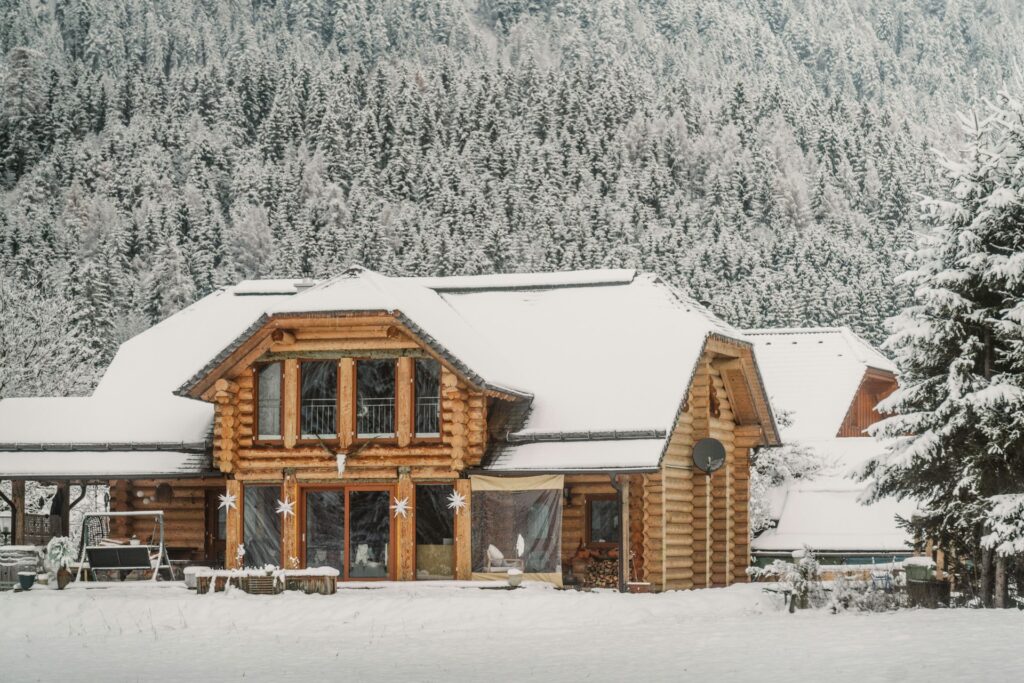
Logs settle over time. The natural element is one of our favorite things about the building material, but you should expect some concessions. One of the most common issues with settling logs is gaps. They appear between logs and at corners.
Inspect the existing chinking and caulking for cracks, tears, or areas where the sealant has separated from the wood. Repair damaged joints with an appropriate flexible log home sealant, following the manufacturer’s preparation and application instructions. This keeps cold air from seeping in and, more importantly, warm air from seeping out.
Restore Your Logs
Moisture can penetrate areas where a log home’s protective finish has worn away, potentially contributing to discoloration and wood decay over time. Combat this by restoring your wood siding for the cold months.
Log home restoration products begin by stripping away dirt and dust buildup, softened fibers, aged coatings that no longer serve a purpose, algae, mold, and more. Then you’ll follow up with products that stabilize fibers, fill small missing sections, and create a protective layer over the logs.