


Introduction
Speed and stability have been inseparable in an era in which competitiveness is determined by software. Competition in business is no longer about software features, but about the speed at which these features reach production. The CI/CD pipeline, a very important phase of modern DevOps practice, is the focus area of this consideration.
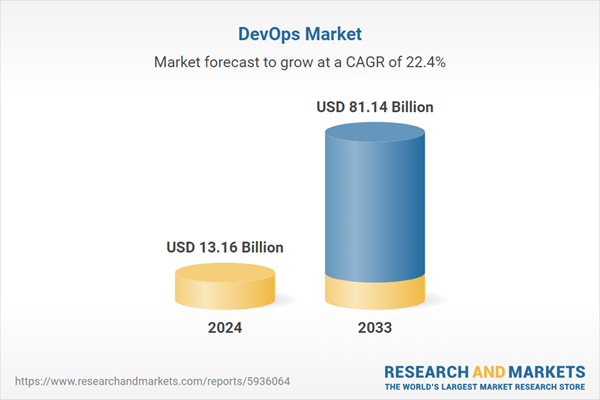
Even in the most professional development teams, it is common to find bottlenecks, such as slow builds, duplicate tests, and manual dependencies, that delay deployments. CI/CD optimization is no longer an option; it is a necessary factor for faster software delivery. The DevOps market size will reach $81.14 billion by 2033 from $13.16 billion.
This blog discusses CI/CD best practices, methods to minimize build time, and highly effective pipeline optimization measures to help the DevOps team create value at speed.
Read: 5 Common Family Disputes and How to Solve Them?
Understanding CI/CD Pipeline
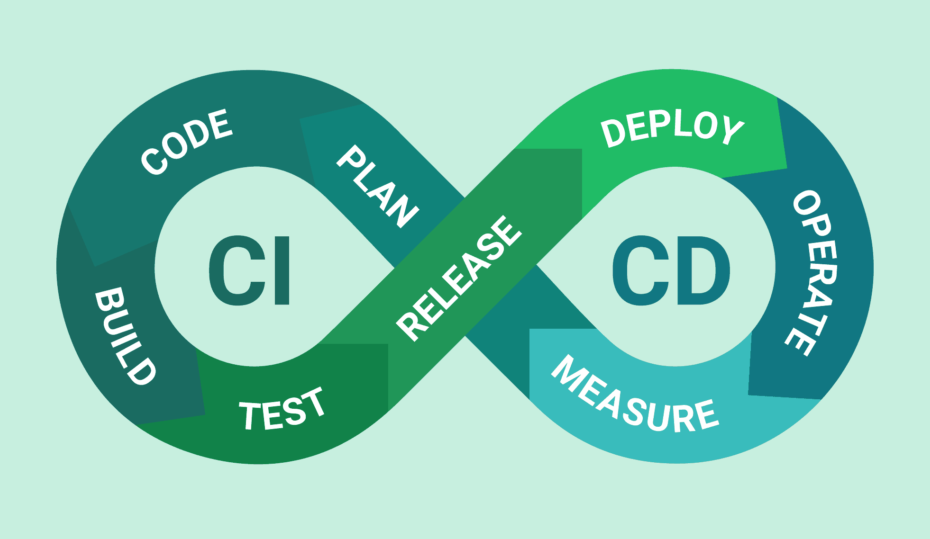
A CI/CD pipeline is a feedback loop that includes development, testing, and deployment.
- Continuous Integration is a process that can automatically build and test code and ensures the code is validated after every change to a shared source repository from every developer.
- Continuous Deployment can automatically deploy the validated code to production with limited human intervention.
An optimized DevOps pipeline streamlines the process from commit to deployment; however, even mature systems may have inefficiencies that include:
- Long build queues
- Inefficient dependency management
- Absence of parallelization of the test
- Manually approved or inconsistent environment
The objective is to optimize the efficiency of the CI/CD pipeline without compromising the software reliability, scalability, or compliance.
Why Pipeline Optimization Matters
One of the competitive advantages is speed. A business that can release, validate, and iterate faster than its competitors takes over the innovation cycle.
Optimized CI/CD pipelines deliver:
- Faster release rate: The code-to-production times are reduced.
- Quality: Automation of the testing supports problem resolution at an early stage.
- Less risk: Stable deployment restricts human mistakes.
- Increased productivity: Developers are concerned with innovation, not manual operations.
Organizations using DevOps for continuous deployment optimization report faster delivery rates and a major reduction in rollback incidents. Optimizing brings a major transformation in the software delivery process, beyond just making development teams faster. However, organizations are opting for AI/ML to serve core operations, which should also integrate into CI/CD pipeline optimization. MLOps helps to automate CI/CD processes, and you can check how it differs from DevOps.
Core Strategies to Optimize CI/CD Pipelines
1. Automate Everything That Slows You Down
Manual steps should be removed as this is the first principle of pipeline optimization. CI/CD automation tools like Jenkins, GitLab CI, or GitHub Actions should be automated to do builds, tests, and deployments.
Automation can be done in the following key areas:
Code integration and validation: Automate unit tests and integration tests on each commit.
Environment provisioning: Switch to Infrastructure as Code (IaC) to provide consistency.
Rollbacks: An Automated rollback mechanism reduces recovery time and decreases downtime.
Not only does automation speed up the delivery, but it also allows the elimination of manual intervention in the CI/CD pipeline, making results consistent and repeatable.
2. Parallelism and Caching
Scaling of hardware is a common solution when teams experience delays in building. But actual speed comes from smarter execution.
In parallel mode, tests, builds, and deployments can be done by teams to drastically reduce CI/CD build time. Dependency on the cache, reuse of artifacts, and use of a containerized environment can be done to avoid unnecessary repetition of work.
By intelligent splitting of workloads, you can reduce CI/CD bottlenecks, as you can have numerous processes running at the same time without losing traceability.
3. Early Testing and Security Enhancement
The speed in the pipeline is not achieved through faster builds; it comes with the ability to detect issues in advance. By including “Shifting left”, testing and security are incorporated by teams in earlier stages of the continuous integration process:
- Apply both static and dynamic code analysis to find vulnerabilities.
- Test suites automate functional, regression, and load test suites.
- Integrate compliance testing into the building process.
Early feedback will result in fewer failures in the late stages and a better quality of release cycle. It is an essential aspect of microservices CI/CD pipeline best practices.
4. Optimize Build and Deployment Stages
All builds should be secure and modular. Use a microservices architecture with independent builds and deployments.
Modern practices such as:
- Containerization (Docker, Kubernetes) to achieve consistency across environments.
- Fast and safer rollouts with progressive delivery strategies (blue-green, canary deployments).
- Cloud-native CI/CD pipeline optimisation techniques for scalability and reliability.
These make sure that your DevOps pipeline releases regularly and reliably – with no impact on uptime or customer experience.
5. Improve Feedback Loops
The key parameter of DevOps teams is continuous feedback. Add observability tools such as Prometheus, Grafana, or New Relic to monitor performance in real time. Quick remediation of failures and optimized iteration cycles are due to fast feedback.
Monitor speed and adopt CI/CD pipeline metrics, such as:
- Deployment frequency
- Lead time for change
- Change failure rate
- Mean time to recovery (MTTR)
Monitoring these metrics on a regular basis enables the DevOps team to measure the progress, determine bottlenecks, and prioritize optimization efforts.
Future of CI/CD Optimization
The future DevOps services will be intelligent, adaptive, and autonomous. CI/CD pipelines will focus more towards self-optimizing ecosystems to detect, predict, and correct inefficiencies without human involvement. The major emerging innovations include:
1. AI-Assisted Delivery Pipelines
The emergence of AI in DevOps brings about predictive and self-healing features. Machine learning algorithms can analyze build logs, test results, deployment traces, and determine flaky tests, potential failures, or resolve frequent pipeline failures automatically. Such intelligent systems allow DevOps consulting services to proactively optimize the pipelines so that even with a dynamic load, releases become stable.
2. Serverless CI/CD Architectures
In the current DevOps, scalability and cost efficiency are being redefined by serverless delivery models. A serverless CI/CD pipeline enables the teams to perform builds and tests on demand. This eliminates the idle infrastructure costs and provides unlimited scalability to manage workloads of large volumes.
3. Security as Code
Security is not a peripheral concern anymore; it is part of the pipeline. Security as Code brings automated vulnerability testing to the development pipeline and automates compliance testing and policy validation at every stage of the development pipeline. DevSecOps is enabled by an automated tool that adheres to policies and analyzes the security of your configurations, dependencies, and code quality with respect to security baselines.
Wrapping Up
Pipeline optimization is an important process that requires a proper skill set and commitment to continuous improvement. You can perform faster and efficient deployments if you follow the above strategies for CI/CD optimization. You can hire software developers to monitor your pipeline’s performance and also iterate on improvements to maintain an agile development workflow. CI/CD automation is yet another form of strategic practices in software development today. A component of modern development to focus on, teams can deliver software at a faster pace while improving the quality of code and operational cost. If done intentionally and with a specific set of tools and expertise, automation can provide extreme efficiency and take you to the next level of scalable solutions.