

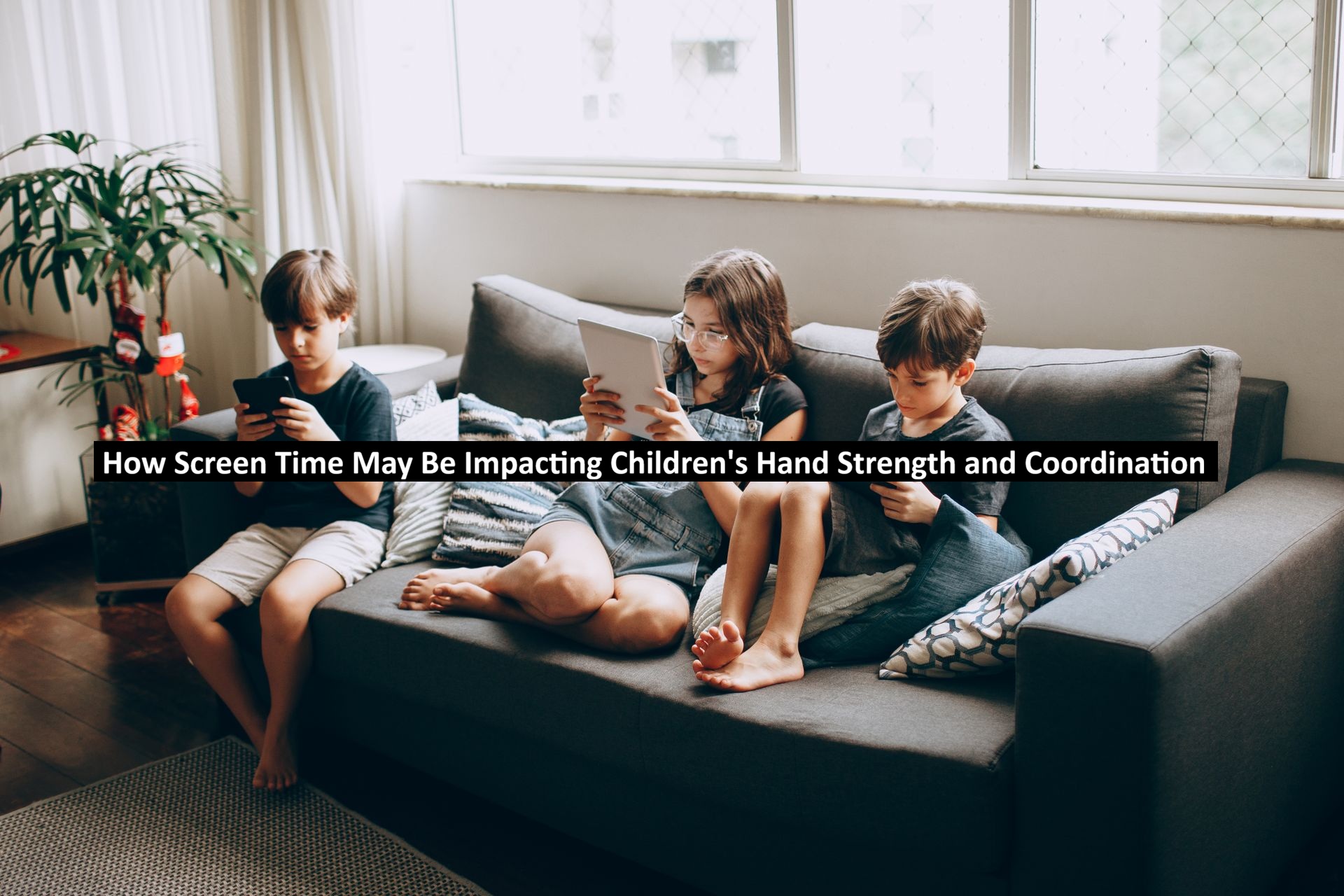
Children today are swiping before they can tie their shoelaces. Tablets arrive at the dinner table, smartphones go to the bedrooms, and screens have quietly become the default babysitter, tutor, and playmate rolled into one. Parents have heard the warnings about sleep and attention. But there’s a more physical consequence that’s flying under the radar: one that shows up not as a test score but in a child’s hand. Occupational therapists are watching it unfold in real time.
The Hand Strength Problem Therapists Are Seeing
Picture a five-year-old sitting down for their first week of kindergarten, ready to trace letters and struggling to hold a pencil at all. Not because they’re uninterested. Instead, it’s because their fingers don’t have the strength to do what’s being asked. The scene is playing out in classrooms with increasing frequency. Children are arriving with hands that fatigue within minutes, pencil grips that look more like a fist around a hammer than a precision tool, and a quiet reluctance toward anything requiring scissors, buttons, or small objects.
As reported by the South China Morning Post, therapists are seeing an increasing number of children with handwriting delays linked directly to overuse of technology. Some grip a pencil the way a toddler grabs a thick crayon, unable to shift into the refined three-fingered hold that writing requires.
Grip and pinch strength underpin a child’s ability to button a shirt, open a lunch container, use scissors, and manage dozens of daily tasks independently. When hand strength isn’t there, they quietly opt out of the very activities that would fix the problem.
Read: Minimalist Rings vs Statement Rings: What Works Best for You?
Why Touchscreens Don’t Build the Same Skills
Here’s the thing about swiping: it’s essentially the same motion, repeated thousands of times a day, using only the tip of one finger. Compare that to the physical variety of old-fashioned play: squeezing clay, wrestling with a zipper, pressing Lego bricks together, piercing a needle through fabric. A touchscreen is the finger equivalent of only doing one exercise and wondering why the rest of the body isn’t developing.
The muscles that matter most for fine motor control are the intrinsic hand muscles tucked inside the palm and between the fingers, which need resistance, variety, and real-world texture to develop. Research found that hands-on hobbies involving grip and manipulation have been steadily replaced by screen-based activities, and fine motor development is absorbing the loss. Another study found that preschoolers averaging more than five times the recommended screen time showed significantly worse manual dexterity, and boys were found to be even more in danger to this decline than their female peers.
The Posture Connection Nobody Talks About
Hand weakness rarely arrives alone. Think of the body as a chain of stability, and screen time tends to weaken several links simultaneously. When a child hunches over a tablet, head drooping forward and shoulders rolling inward, they’re not just developing a “tech neck.” They’re losing the core and shoulder stability that precise handwork depends on. Pediatric specialists note that tilting the head forward at 60 degrees (a common tablet-viewing angle) exerts up to 60 pounds of effective force on the cervical spine, gradually straining the muscles that hold the head upright.
In occupational therapy, the foundational rule is “proximal stability before distal mobility.” Translation: you can’t write neatly with your fingertips if your trunk and shoulders aren’t doing their job first. A child slumped like a question mark isn’t just picking up bad posture; they’re actively undermining their own hand function, even after the screen goes away.
What Parents Can Do Starting Today
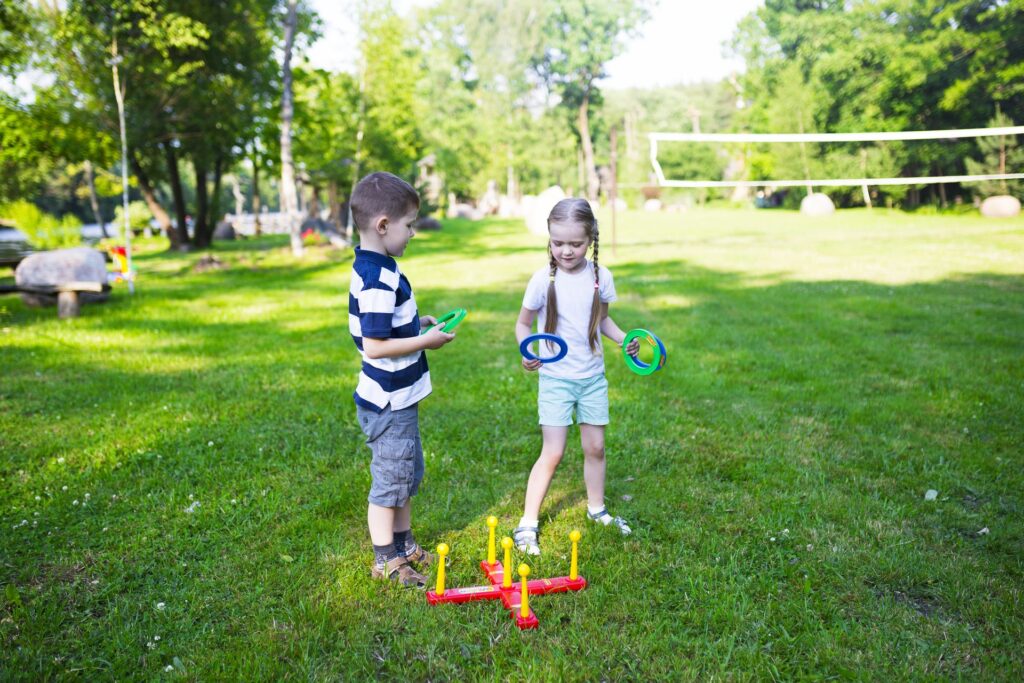
The reassuring part is that hands respond quickly to training, and the most effective “therapy” for most children is simply putting interesting things in their hands more often. The goal isn’t a rigid program. It’s shifting the daily balance so fingers are squeezing, pressing, and pinching as a natural part of life, not just grazing glass.
Activities to Try at Home:
- Play with clay or putty. Squeezing and shaping work all the hand muscles that screens miss.
- Use scissors for craft projects, collages, and paper chains. Every snip is a grip workout.
- Thread beads, pasta, or buttons onto a string. This is precision pinching in disguise.
- Build with Legos, blocks, or interlocking tiles. Pressing pieces together builds real grip force.
- Use a spray bottle in the garden. It’s a deceptively effective finger-strengthening squeeze.
- Draw, color, and paint on paper. Different tools and pressures train pencil grip without making it feel like school!
And ultimately, screen limits are necessary. The American Academy of Pediatrics recommends no more than an hour per day for children between the ages of 2 and 5. But a timer going off doesn’t build hand strength. What happens in that reclaimed hour is where the real work is done.
For children who need more structured support heading into kindergarten, catching up after heavy screen use, or simply getting a head start, daily fine motor practice makes a genuine difference. Well-designed activity books for kids, built around motor skill development, turn grip-building into something children want to keep coming back to. This is what makes screen-free time worth it!